
As women get older, their nutritional needs begin to change, and protein becomes increasingly important for maintaining strength, energy, and overall health. Understanding why women need more protein with age can make a real difference in how you feel, especially as you move through your 40s, 50s, and beyond. From supporting muscle mass to helping you feel satisfied after meals, protein plays a bigger role in healthy aging than you might realize.
While protein is often associated with athletes and building muscle, its benefits extend far beyond the gym. Your body relies on protein every day to repair tissues, maintain healthy skin and hair, support immune function, and keep muscles working properly. As we age, getting enough becomes even more important.
Why Protein Needs Change as We Age
Beginning around age 30, adults gradually lose muscle mass, a process that tends to accelerate later in life. Hormonal changes during perimenopause and menopause can contribute to these changes, making it harder for women to maintain the same muscle strength and body composition they enjoyed in their younger years.
Another factor is something called anabolic resistance, which means aging muscles become less responsive to the protein we eat. As a result, older adults may benefit from consuming more protein than they needed when they were younger, particularly when combined with regular strength training.
Muscle health affects much more than physical appearance. Strong muscles support balance, mobility, metabolism, and the ability to stay active and independent as you age. This is one of the biggest reasons why women need more protein with age.
The Benefits of Protein Beyond Muscle Health
Protein contributes to several important functions throughout the body, including some that become especially valuable during midlife. One of its most noticeable benefits is helping you feel fuller longer. Protein generally takes longer to digest than carbohydrates alone and influences hormones involved in appetite regulation. Including a good source of protein with meals can help reduce hunger between meals and support healthy weight management.
Protein also provides the amino acids your body uses to build and repair tissues, including those involved in maintaining healthy skin, hair, and nails. These amino acids are also needed to produce enzymes, hormones, and other compounds that support normal body functions.
And while protein itself isn’t a stimulant or a quick energy boost, pairing protein with fiber-rich carbohydrates and healthy fats can help create more satisfying meals and support steadier energy throughout the day.
How Much Protein Do Women Actually Need?
The standard recommended dietary allowance for protein is 0.8 grams per kilogram of body weight per day for most healthy adults. However, some research suggests that older adults may benefit from approximately 1.0 to 1.2 grams per kilogram daily to help preserve muscle mass and function.
For example, a woman weighing 150 pounds would need approximately 55 grams of protein per day based on the standard recommendation. Using the higher range often suggested for healthy older adults, that amount increases to approximately 68 to 82 grams daily.
Individual protein needs depend on factors such as age, activity level, health conditions, and personal goals. Women who regularly strength train may need additional protein to support muscle recovery and maintenance, while those with certain medical conditions may require different recommendations.
Spreading protein intake across breakfast, lunch, and dinner may also be beneficial. Rather than consuming most of your daily protein at dinner, including a meaningful amount at each meal gives your body a more consistent supply of amino acids throughout the day.
Simple Ways to Add More Protein to Your Day
Once you understand why women need more protein with age, the next step is finding practical ways to include it in your daily routine.
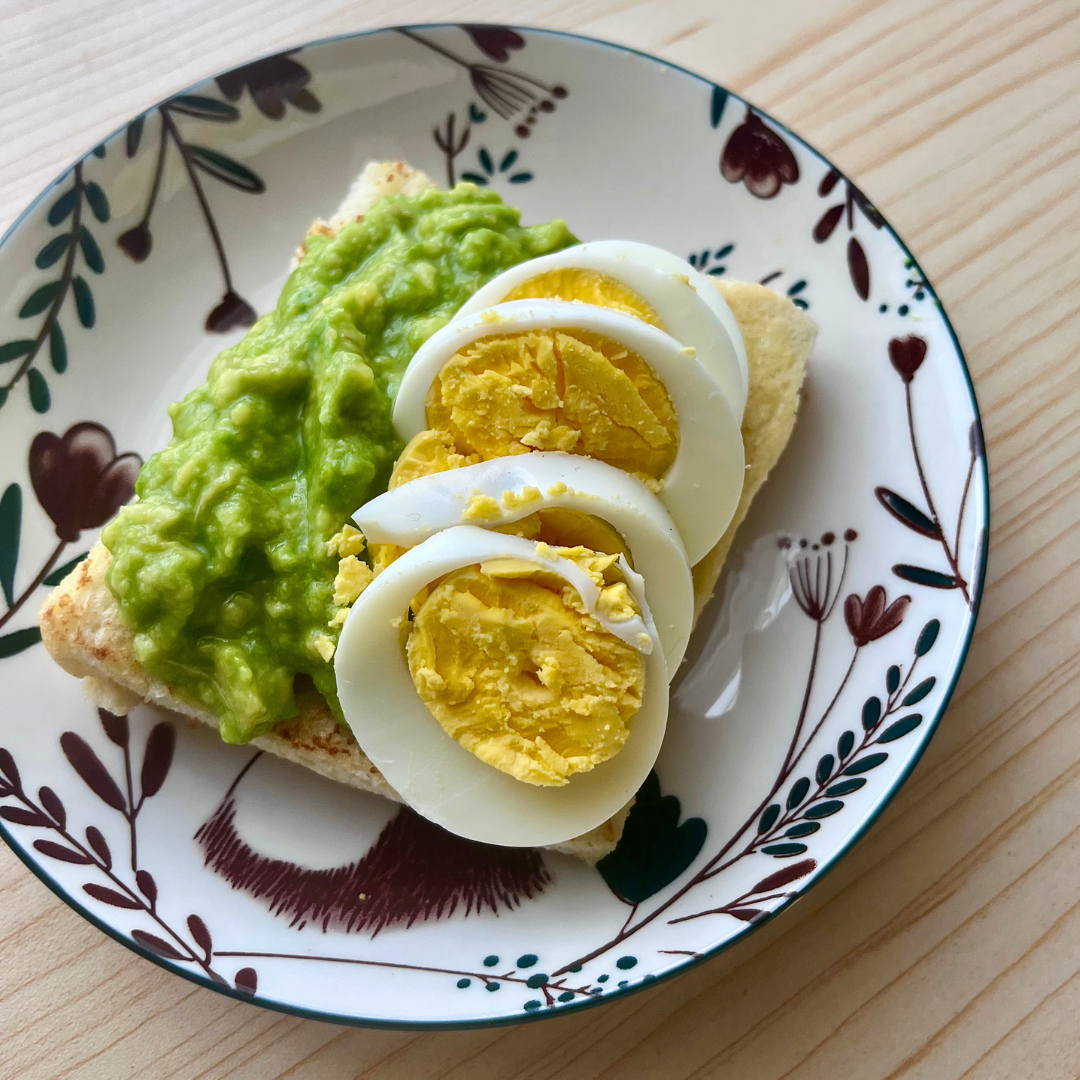
Breakfast is a great place to start, especially if your usual morning meal consists of toast, fruit, or coffee. Adding eggs, Greek yogurt, cottage cheese, or protein rich oatmeal can make breakfast more satisfying. At lunch and dinner, foods such as chicken, fish, beans, lentils, tofu, and edamame provide protein along with a variety of other nutrients.
Snacks can also contribute to your daily intake. A handful of nuts, roasted chickpeas, or yogurt can help bridge the gap between meals while providing additional nutrition.
For women who struggle to reach their daily protein goals through food alone, a convenient protein supplement can be especially helpful. Arbonne’s FeelFit Daily Protein Boost provides 20 grams of plant-based protein from just three ingredients: peas, rice, and cranberries.
With all nine amino acids that must come from food, FeelFit Daily Protein Boost helps support muscle health, fullness, and overall wellness. It contains no added sugar, flavoring, artificial colors, sweeteners, or fillers, making it easy to incorporate into foods you already enjoy. Stir it into oatmeal or yogurt, blend it into a smoothie, or add it to baked goods for an extra serving of protein.
Making Protein a Priority for Healthy Aging
As your body changes, your nutritional habits can change with it. Understanding why women need more protein with age is an important part of taking care of your health through every stage of life. Adequate protein intake, combined with regular physical activity and a balanced diet, can help preserve muscle strength, support healthy metabolism, and keep you feeling satisfied throughout the day. Paying attention to protein at each meal and finding convenient ways to meet your daily needs can help support strength, mobility, and well being for years to come.


View comments
+ Leave a comment