
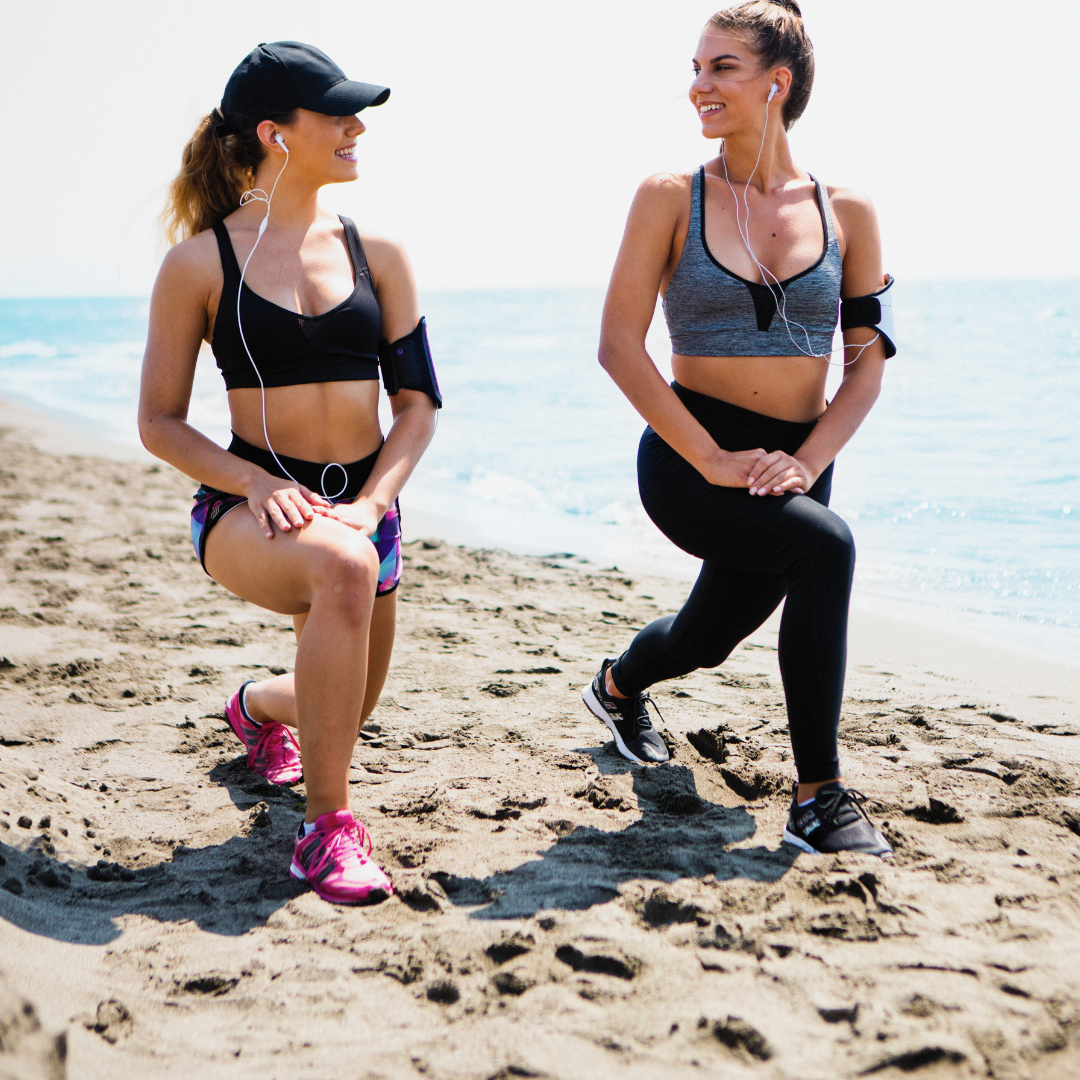
When summer arrives, many people become more active. Longer days, warmer weather, outdoor walks, hikes, bike rides, pickleball games, gardening projects, and fitness routines naturally pull us outside. While most people understand that drinking water is important, proper hydration is often treated as an afterthought rather than a key part of supporting performance, recovery, and overall wellness.
The reality is that proper hydration plays a much bigger role in how you feel during and after physical activity than most people realize. Even mild dehydration can affect energy levels, exercise performance, recovery time, concentration, and comfort, especially during the warmer months when your body loses more fluids through sweat.
Knowing how hydration affects your body can help you stay active, feel better, and support your wellness goals all summer long.
How Hydration Supports Exercise Performance
Your body relies on water for nearly every function. Water helps regulate body temperature, transport nutrients, lubricate joints, and support healthy circulation. During exercise, these functions become even more important.
As your body temperature rises during physical activity, sweating becomes your body’s natural cooling system. While sweating helps prevent overheating, it also causes fluid loss. The more active you are and the warmer the environment, the more fluid your body typically loses.
Even a small decrease in hydration can affect physical performance. You may notice that workouts feel harder than usual, endurance drops sooner, or recovery takes longer. Activities that normally feel manageable may suddenly feel more challenging.
Hydration also influences coordination and concentration. If you have ever felt unusually tired, sluggish, dizzy, or mentally foggy during a workout, dehydration may have been part of the problem.
Staying hydrated before, during, and after exercise helps support your body’s ability to perform at its best and recover more effectively afterward.
The Connection Between Hydration and Recovery
Most people focus on hydration during exercise, but it continues to play an important role in recovery, too.
After physical activity, your body begins repairing muscle tissue, restoring energy stores, and replacing fluids lost through sweat. If hydration levels remain low, these recovery processes may take longer.
Hydration supports circulation, which helps deliver nutrients throughout the body. It also assists with maintaining healthy muscle function and supporting normal joint movement.
This becomes especially important during summer months when fluid losses tend to be greater. A challenging workout on a hot day may result in significantly more sweat loss than the same workout performed in cooler temperatures.
When recovery is supported properly, people often notice that they feel more prepared for their next workout and experience less overall fatigue throughout the week.
Why Water Alone May Not Always Be Enough
Water is always a great place to start when it comes to hydration. However, during longer workouts, intense exercise sessions, or activities performed in hot weather, your body loses more than just water.
Sweat contains important electrolytes including sodium, potassium, calcium, and magnesium. These minerals help regulate fluid balance, muscle contractions, nerve function, and overall hydration status.
When electrolyte losses are not replenished, you may experience symptoms such as muscle cramps, fatigue, headaches, decreased endurance, or difficulty recovering after exercise.
This does not mean everyone needs a sports drink after every walk around the neighborhood. However, people who exercise regularly, spend significant time outdoors, participate in endurance activities, or sweat heavily benefit from additional electrolyte support.
Common Signs You May Need More Hydration Support
Many people assume thirst is the first sign of dehydration, but that is not always the case. By the time you feel noticeably thirsty, your body may already be experiencing mild dehydration.
Several signs can indicate that your hydration habits may need more attention.
Dark yellow urine can be one of the most common indicators that fluid intake needs improvement. Persistent fatigue, headaches, dry mouth, dizziness, and reduced exercise performance can also signal that hydration levels are lower than ideal.
Muscle cramps during or after activity may sometimes be connected to fluid and electrolyte imbalances. Feeling unusually sore after exercise or struggling to recover between workouts can also point toward hydration challenges.
Summer weather can make these issues more noticeable. Increased temperatures naturally increase sweat production, making it easier to lose fluids throughout the day without realizing it. Creating consistent hydration habits before thirst develops can help support overall wellness and exercise performance.
Simple Strategies to Stay Better Hydrated This Summer
Small daily habits for better hydration can make a meaningful difference.
Start by drinking water consistently throughout the day instead of waiting until you feel thirsty. Keeping a water bottle nearby often serves as a simple reminder to drink more regularly.
Increase fluid intake before outdoor activities, especially on hot or humid days. Starting a workout already dehydrated can make physical activity feel much more difficult than necessary.
Pay attention to foods that naturally contain water. Fruits and vegetables such as watermelon, cucumber, strawberries, oranges, and celery can contribute to daily hydration.
After exercise, focus on replacing both fluids and electrolytes when needed. This can be particularly helpful following longer workouts, outdoor activities, or situations where you sweat heavily.
Listening to your body’s signals and adjusting hydration habits based on activity levels, weather conditions, and individual needs can help support better performance and recovery throughout the summer.
If you are looking for additional hydration support during exercise and recovery, Sport Hydration in Cucumber Watermelon Flavor can be a convenient option. This vegan electrolyte powder provides sodium, potassium, calcium, and magnesium to help support hydration before and after workouts. It also includes botanicals such as cayenne, ginseng, and turmeric to support circulation, joint comfort, and physical performance. The refreshing flavor makes it an easy addition to your hydration routine during busy summer days and active outdoor adventures.
Hydration often receives less attention than exercise routines, nutrition plans, and wellness goals, yet it influences nearly every aspect of how we feel and perform. From supporting energy and endurance to helping with recovery and overall comfort, proper hydration can make a noticeable difference in daily life. As activity levels increase throughout the summer, paying closer attention to fluid and electrolyte intake can help support a more enjoyable, active season while helping your body function at its best.



View comments
+ Leave a comment