
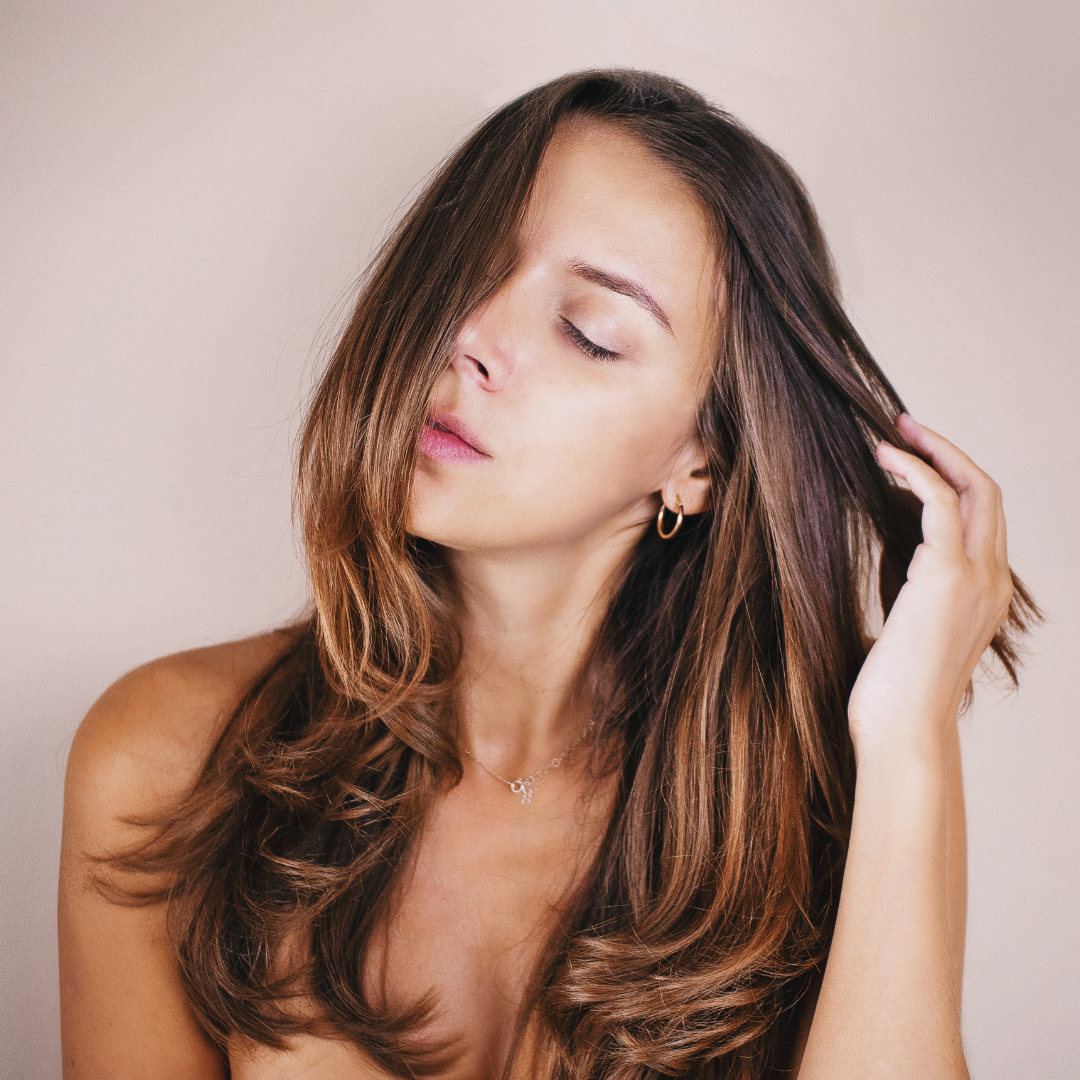
Healthy looking hair can sometimes feel surprisingly high maintenance. You wash it, condition it, style it, and try to give it a little extra care, yet dryness, frizz, dullness, and breakage can still creep in. The reason is often less about one major source of damage and more about the small things your hair encounters every day. Learning how to protect hair from damage starts with understanding those everyday stressors and making a few simple changes to your routine.
Heat styling is an obvious culprit, but it is far from the only one. Sun exposure, frequent washing, brushing, tight hairstyles, environmental conditions, and even the way you dry your hair can affect how it looks and feels over time. Color treated hair may need even more care since chemical processing can make strands more vulnerable to moisture loss and breakage.
Fortunately, protecting your hair does not require giving up your blow dryer or committing to an elaborate routine. A few consistent habits can make a noticeable difference in softness, smoothness, shine, and manageability.
Pay Attention to Everyday Hair Stress
Hair goes through quite a bit during an average day. It gets pulled into ponytails, tucked behind ears, brushed, exposed to sunlight, rubbed against clothing and pillows, and subjected to changes in humidity and temperature. Add regular blow drying, curling, straightening, or coloring, and those individual sources of stress can begin to add up.
The outermost part of each hair strand, called the cuticle, acts as a protective layer. When the cuticle is smooth, hair tends to reflect light better and look shinier. When it becomes rough or damaged, hair may appear dull, feel dry, tangle more easily, and become more prone to frizz and breakage.
Some signs of stressed hair are easy to recognize. You might notice that your ends feel rough even shortly after a haircut, your hair tangles more than it used to, or your usual styling routine suddenly produces more flyaways. Hair may also lose some of its natural shine or become increasingly difficult to manage.
One of the simplest ways to protect hair from damage is to look at the entire routine instead of focusing only on what happens in the shower. How you handle your hair before washing, while it is wet, during styling, and throughout the day all matters.
Wet hair deserves extra care because it’s more vulnerable to stretching and breakage. Aggressive towel drying, pulling a brush through stubborn tangles, or immediately putting wet hair into a tight style can create unnecessary stress. Gently squeezing excess water from your hair and carefully working through tangles can help reduce that strain.
Be Smarter About Heat Styling
For anyone who regularly uses a blow dryer, curling iron, flat iron, or hot brush, heat exposure is an important part of the conversation.
Heat makes styling easier because it temporarily changes the way hair behaves. It can smooth texture, create curls, add volume, and turn an unruly morning into a considerably better hair day. Unfortunately, repeated exposure to high temperatures can also remove moisture and weaken the hair over time.
You do not have to break up with your styling tools.
Start by reconsidering the temperature setting. The highest setting is not automatically the most effective choice for every hair type. Fine, fragile, color treated, or already dry hair may benefit from lower temperatures. Even thick or coarse hair rarely needs excessive heat for every styling session.
It also helps to avoid repeatedly going over the same section. A flat iron passed over one piece of hair again and again exposes that area to much more heat than a controlled, efficient pass.
When blow drying, allowing your hair to partially air dry first can reduce the amount of time it spends under direct heat. Keeping the dryer moving instead of concentrating hot air in one place can also help.
Most importantly, add a product designed to provide heat protection before styling. Heat protection creates another layer of support between your hair and the temperatures required to achieve your finished look. If hot tools are a regular part of your routine, this is one step worth making a habit.
Help Your Hair Hold Onto Moisture
Moisture has a major influence on how hair looks and behaves. When hair becomes too dry, it can feel rough, lose shine, become harder to style, and develop more noticeable frizz and flyaways.
The challenge is finding the right balance. Loading hair with heavy products can leave it flat or greasy, particularly if your strands are fine. Using too little conditioning support, however, may leave the lengths and ends looking thirsty even when your scalp feels perfectly comfortable.
Your washing routine can make a difference. Very hot water may feel wonderful in the shower, but it can contribute to dryness. Using comfortably warm water and treating your hair gently during washing can be kinder to both the hair and scalp.
Pay attention to where your hair actually needs moisture too. The ends are the oldest part of your hair and have experienced the most washing, styling, brushing, sun exposure, and environmental stress. They often need more conditioning support than the hair closest to your scalp.
This becomes particularly important if you color your hair. Hair color can look beautifully rich and glossy when strands are smooth and conditioned. When hair becomes dry or rough, that same color may begin to appear dull.
Maintaining moisture can help hair look smoother and shinier, which can also make color appear more vibrant. It is one reason nourishing products can be especially useful between salon visits or whenever your hair begins to look a little lackluster.
And then there is frizz, which deserves its own mention. Humidity often gets all the blame, but dry or damaged hair can be particularly susceptible to frizz because it interacts differently with moisture in the surrounding air. Supporting smoother, conditioned strands can make flyaways and frizz easier to manage.
Build Protection Into Your Styling Routine
The easiest hair habits to maintain are usually the ones that fit naturally into something you already do. If you style your hair several times a week, adding protection during that process makes more sense than creating an entirely separate routine you are likely to forget.
Arbonne HairCare Nourishing Oil is an easy addition to a regular styling routine. Its lightweight formula nourishes, smooths, and helps protect against heat without leaving a greasy residue.
The formula features a Heat Barrier Complex designed to help shield hair from heat styling damage while replenishing moisture and improving softness and smoothness. That makes it particularly useful for anyone who regularly reaches for a blow dryer or hot styling tool.
It also helps reduce frizz and tame flyaways while boosting the hair’s natural shine and luster. For color treated hair, another benefit is its ability to enhance the appearance of color vibrancy. Instead of weighing hair down, the lightweight oil absorbs quickly to condition and soften.
This type of multitasking product can be especially helpful when you want to protect hair from damage without adding several extra steps to your morning. Heat protection, conditioning, smoothing, shine, and frizz control can all become part of the styling process you are already doing.
How you apply a hair oil matters too. Concentrate primarily on the lengths and ends, where dryness and damage are often most noticeable. Fine hair generally needs a lighter hand, while thicker, coarser, or particularly dry hair may benefit from a little more product.
Start small. You can always add more if your hair needs it.
Give Your Hair Consistent Daily Care
Hair care tends to work best when it becomes part of your normal routine instead of something you think about only after your ends start looking dry or your hair becomes difficult to manage.
Try to notice the little sources of stress your hair experiences throughout the week. If you use hot tools regularly, be mindful of temperature and heat protection. If your hair feels dry, look at how often you wash it and how much conditioning support your lengths and ends receive. If breakage is becoming noticeable, consider how you brush, dry, tie back, and handle your hair when it is wet.
You can also give your hair occasional breaks. Wearing your natural texture for a day, skipping the flat iron, choosing a looser hairstyle, or letting your hair partially air dry can reduce repeated stress without requiring a major change in your appearance.
The goal is simply to make your everyday habits a little kinder to your hair. Gentle handling, sensible heat styling, adequate moisture, and a little extra protection can help hair maintain its softness, smoothness, shine, and healthy looking appearance. Adding a lightweight nourishing oil can make those protective steps even easier, especially when heat styling, frizz, or dryness are regular concerns. Give your hair consistent care, treat it gently, and let those small daily habits add up to hair that looks and feels its best.


View comments
+ Leave a comment