
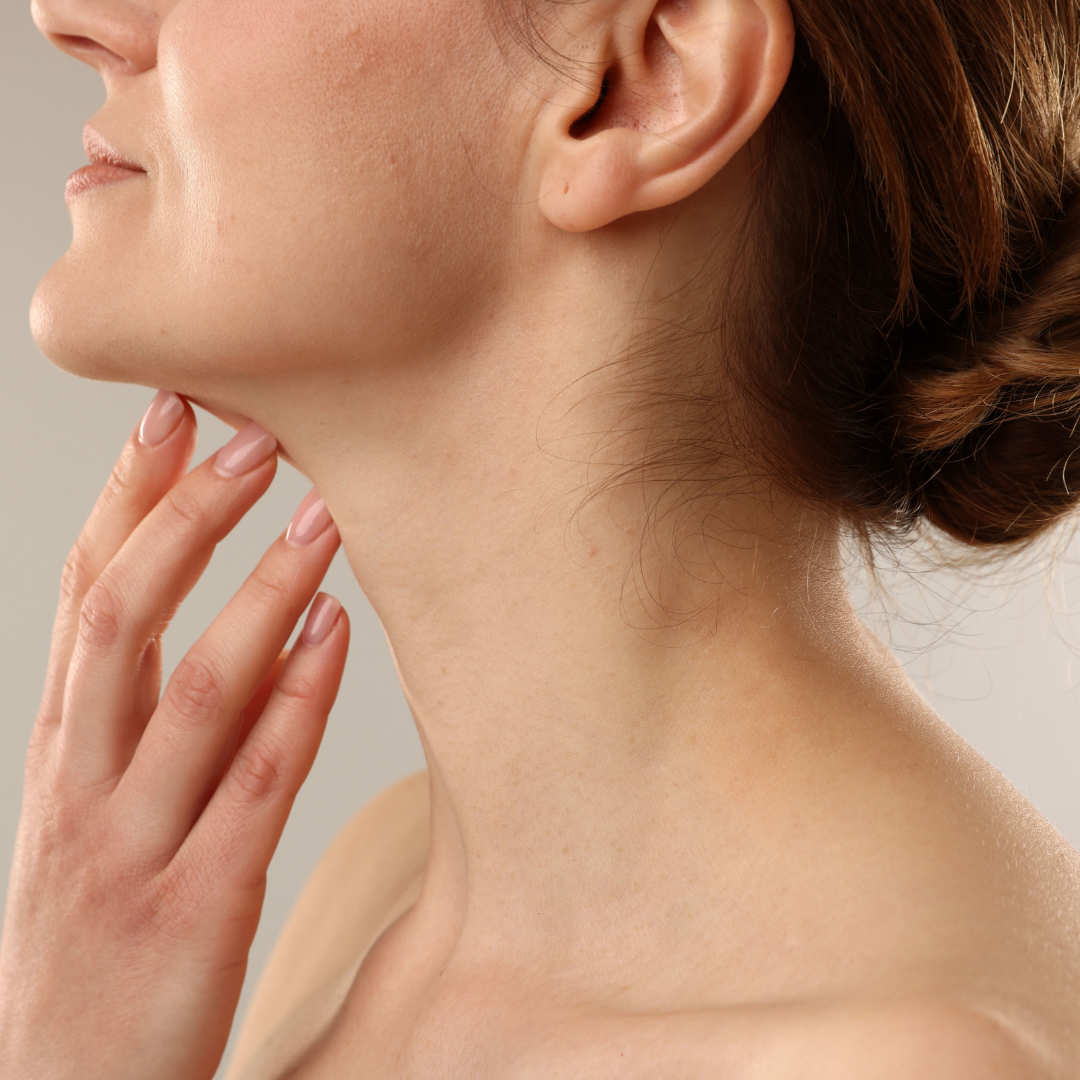
When we think about the visible signs of aging, our attention usually goes straight to the face. We notice fine lines around the eyes, changes in skin texture, or a little less firmness along the jawline. Meanwhile, the skin just a few inches lower often gets far less attention. That can become surprisingly obvious over time because neck skin ages differently from the skin on your face.
The neck and décolletage are exposed to many of the same things that affect facial skin, including sunlight, environmental stressors, and daily movement, but they also have characteristics that can make changes more visible. You may begin to see fine lines, crepiness, dryness, uneven texture, or a loss of firmness, sometimes even when the skin on your face still looks relatively smooth.
Understanding why this happens can help you care for this often overlooked area a little differently.
The Skin on Your Neck Has Different Needs
Skin is skin, but it is not exactly the same everywhere on your body. The skin around your eyes, for example, behaves differently from the skin on your cheeks. Your hands have different needs from your face. The same is true for your neck.
Neck skin tends to be thinner and has fewer oil glands than some areas of the face. This can contribute to dryness and make texture changes more noticeable. Because natural oil helps keep skin soft and supports its protective barrier, areas that produce less oil may need a little more help maintaining moisture.
The neck is also an incredibly active area. Think about how often you turn your head, look up, look down, sleep on your side, or glance at your phone throughout the day. All of that movement means the skin is continually folding, stretching, and relaxing. Over time, repetitive movement combined with natural changes in the skin can contribute to visible horizontal lines and creasing. Those familiar lines across the neck may become deeper or more noticeable as skin becomes thinner and less firm.
This is one reason extending your regular moisturizer a few inches below your jaw may not always give the area everything it needs. The neck has its own combination of challenges, and targeted care can make sense as those changes become more noticeable.
Collagen Changes Become More Visible With Age
One of the biggest reasons neck skin ages differently is the gradual loss of collagen and elastin as we get older. Collagen provides structure and support within the skin, while elastin helps skin maintain its ability to stretch and return to its previous shape. During younger years, the skin generally has more of both. This contributes to the smooth, firm appearance we tend to associate with youthful skin.
As collagen production naturally declines with age, skin can begin to lose some of that underlying support. These changes happen throughout the body, but thinner areas can make them easier to see. On the neck, you might notice skin that looks looser, softer, or slightly crepey. Fine lines can become more pronounced, and the transition between the jawline and neck may look less defined than it once did.
Hormonal changes that occur with age can also affect the skin. Declining estrogen, particularly during and after menopause, is associated with changes in collagen, skin thickness, hydration, and elasticity. For women who suddenly feel like their skin changed almost overnight somewhere in their forties or fifties, there can be very real biological reasons behind that experience.
These changes are a normal part of getting older, but understanding what is happening can help you choose skincare that supports your skin’s needs now, rather than relying on the same routine you used years ago.
Years of Sun Exposure Add Up
There is another major reason the neck and chest can reveal visible signs of aging: cumulative sun exposure. We have become much better about protecting our faces from the sun. Facial sunscreen is now a regular part of many skincare and makeup routines, but the neck and décolletage have historically been easier to forget.
Think about all those years of V-neck shirts, swimsuits, sundresses, tank tops, outdoor lunches, sporting events, gardening, driving, and simply walking around outside. Your chest and neck may have received considerably more sun exposure than you realized.
The effects of that exposure are cumulative. Over time, ultraviolet radiation can contribute to the breakdown of collagen and elastin and affect pigmentation and skin texture. This can show up as fine lines, uneven tone, discoloration, roughness, or a thinner, more fragile appearance. The upper chest can be especially vulnerable because it receives so much direct sunlight.
Daily sun protection for the neck and exposed chest is one of the simplest ways to help protect this area moving forward. When applying sunscreen to your face, continue down the neck and across any exposed portion of your décolletage.
And yes, that includes ordinary days. Sun exposure does not only happen at the beach or pool. The small amounts we accumulate while driving, walking the dog, sitting outside, or running errands can add up over the years.
Hydration and Targeted Care Can Make a Difference
While we cannot stop the natural aging process, we can support the appearance and feel of our skin as it changes.
Hydration becomes particularly important for neck skin because dryness can exaggerate the appearance of fine lines and crepiness. Well moisturized skin generally appears smoother and plumper, which can make texture changes less noticeable. This is also where targeted skincare can become useful.
DermResults Solutions Neck Cream is designed specifically for the delicate skin of the neck and décolletage. Its whipped moisturizer formula hydrates and plumps the skin’s surface while helping soften the appearance of wrinkles and crepiness.
The formula also includes a peptide designed to target the appearance of sagging skin and loss of firmness. With consistent use, it helps the skin feel firmer and more resilient while supporting a smoother, more toned, youthful looking appearance.
Application matters too. Instead of stopping skincare at the jawline, gently apply your neck product across your neck and upper chest. No need to rub or pull aggressively. Smooth, gentle application is plenty.
Give Your Neck a Place in Your Routine
Neck skin ages differently, but it is also one of the easiest areas to overlook until visible changes have already started. Expanding your skincare routine beyond your face can help support hydration, softness, firmness, and smoother looking skin throughout the neck and décolletage.
Aging skin doesn’t need to look exactly as it did at 25 to look beautiful and well cared for. Skin changes throughout every stage of life, and our routines can change right along with it. A little extra attention to the areas that tend to receive less care can go a long way toward helping your skin look healthy, smooth, and supported.



View comments
+ Leave a comment